Why Do Buddhist Monks Shave Their Heads?
Prisons and armies shave heads too, and the resemblance is not a misreading. What separates the monastery from the barracks is not the gesture but who is holding the razor, and what for.



Featured read Thailand & the Forest Tradition
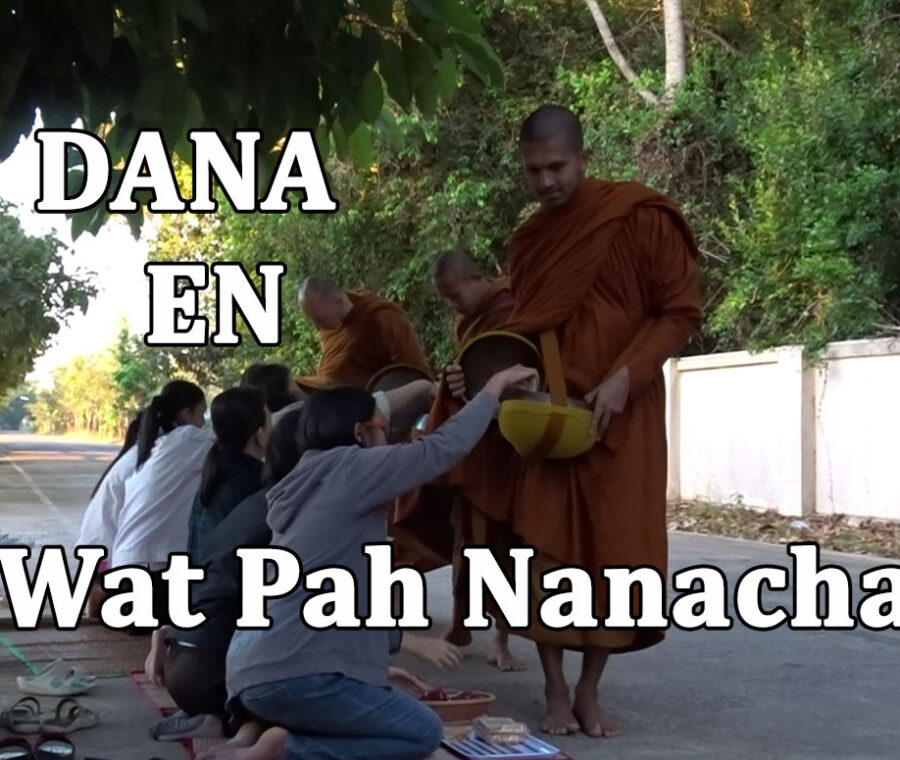
A weekday morning offering food at Ajahn Chah's international monastery in northeast Thailand: the almsround, the dedication before giving, and why the tradition cares more about the intention than the gift.
01
Practical guidance on Buddhist meditation — posture, technique, working with pain and distraction, and the traditional objects of contemplation. Written from years of practice in the Thai Forest Tradition.
Explore02
Essays on happiness, meaning, spirituality and the ordinary difficulties of being a person — approached through a Buddhist lens but without requiring one.
Explore03
Straight answers to common questions about Buddhist teaching and practice — what the Buddha taught, what monastics actually do, and where popular assumptions go wrong.
ExplorePrisons and armies shave heads too, and the resemblance is not a misreading. What separates the monastery from the barracks is not the gesture but who is holding the razor, and what for.
I had a saying for it at university, and I half believed it was a magic formula. It was not, but it was not superstition either, and the real explanation turns out to be more useful than the magic would have been.

Buddhism proposes stopping the movement. The obvious objection — why not simply aim it at better things instead? — turns out to be the movement talking.

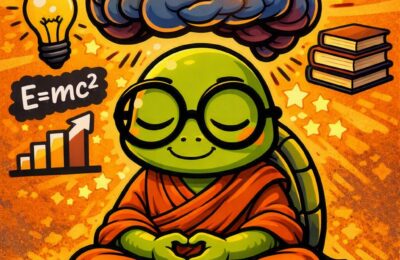
It will not raise your IQ, and the studies that said otherwise have mostly not survived a second look. What meditation does change is your access to the intelligence you already have — which turns out to matter more.
Relax the body, ask what is happening, name what you find — then let it go. A mindfulness exercise small enough to do in a lift, and short enough that you will actually do it.